· Updated
FIBC (Jumbo Bag) Production Trends to Watch in 2026
By the Reylong Engineering Team
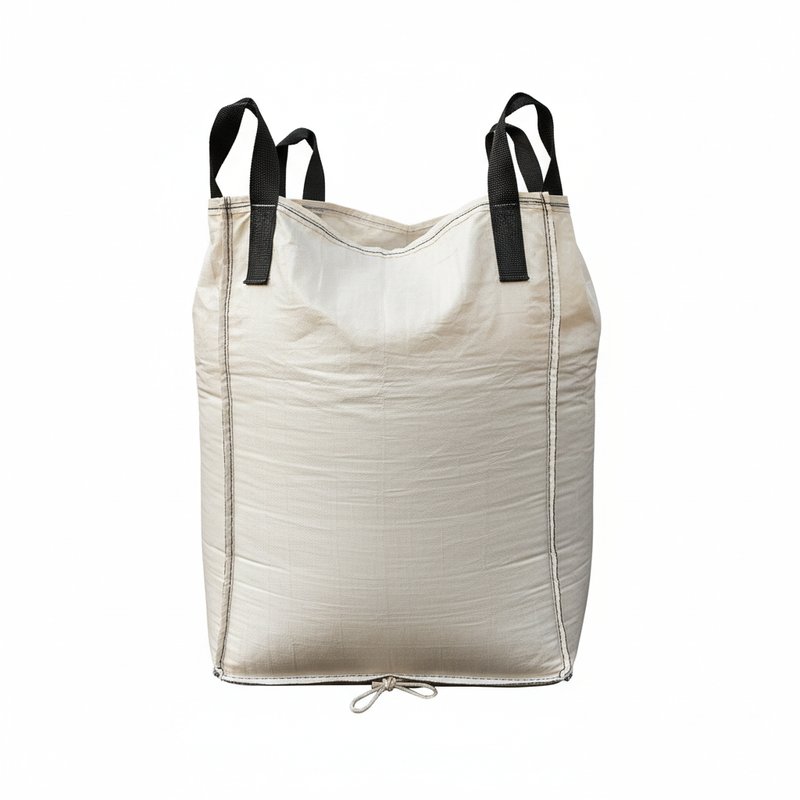
Flexible Intermediate Bulk Containers (FIBCs) — the large woven "jumbo bags" or "bulk bags" used to ship sand, grain, chemicals, minerals and powders — are a quietly growing market. We are not going to put a market-size figure on that here: the published estimates disagree with each other by roughly a factor of two, largely because different firms draw the boundary of "FIBC" in different places. The direction is not in dispute, and neither is the material — the format is overwhelmingly woven polypropylene. For anyone producing woven bags, a handful of clear trends are reshaping what buyers ask for.
1. Recyclability and mono-material design
The biggest shift is toward recyclable, near-mono-material FIBCs built predominantly from a single polymer family (polypropylene) to simplify end-of-life recycling. It is not yet mainstream, but customer specifications requiring recyclable or recycled content are increasingly filtering down to the bulk-bag level — especially in food, consumer goods and chemical distribution.
2. Food-grade manufacturing and certification
Food and pharmaceutical buyers increasingly require FIBCs produced under clean, controlled conditions and certified to standards such as ISO 21898, FSSC 22000 or BRC. In the US and EU especially, packaging must demonstrate food-safety compliance across the whole supply chain — raising the bar on how, and where, bulk bags are made.
3. Reusable, multi-trip and specialised bags
Buyers are moving from single-use to multi-trip programmes, which call for more robust construction: higher-GSM woven fabric for repeated handling, and correctly specified safety types — reinforced Type C or Type D antistatic bags for combustible powders, plus food-grade liner systems. Specification, not just price, is becoming the conversation.
4. Export-driven quality and throughput
Demand is strongest where bulk goods cross borders — chemicals, food ingredients, minerals and fertilizers. Exporters want bags that protect cargo across long transit cycles and that can be produced consistently and at volume. That puts the focus on the production line: consistent print registration, clean cutting and sewing, and reliable throughput.
How Reylong fits
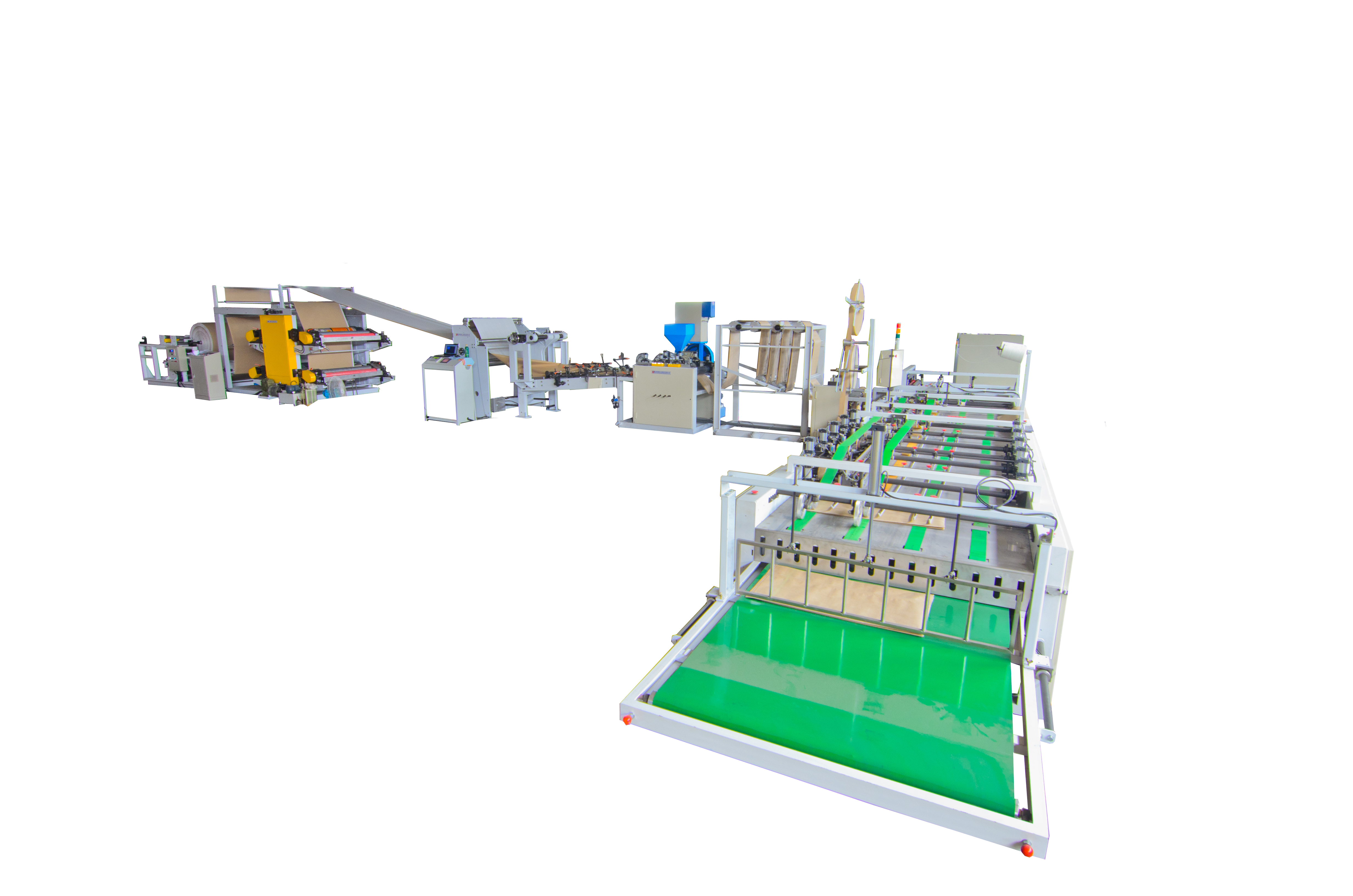
Reylong's automatic PP woven bag convention line integrates flexographic printing, tube forming, cutting, sewing and overtape application into one continuous process, so woven bags are produced consistently and at volume from a single line. Building production around an integrated, well-controlled line is what lets manufacturers meet the rising bar on quality, certification and recyclable construction that 2026 buyers are setting.
Talk to Reylong's engineering team about an integrated woven-bag production line for your market.