PP Woven Sack Trends to Watch in 2026
By the Reylong Engineering Team
The standard PP woven sack market — the 25–50 kg bags used for rice, cement, fertilizer and animal feed, distinct from the large bulk FIBCs covered in our FIBC trends piece — is on track to grow from USD 4.7 billion in 2026 to USD 6.3 billion by 2033, a 4.2% CAGR, with agriculture alone accounting for 41.3% of demand. That steady growth is happening against a much less steady input cost. Two trends are shaping how converters are responding in 2026.
1. Resin price volatility is squeezing margins
Polypropylene tracks crude oil and naphtha feedstock costs closely, and it moves within weeks of them shifting. As of late July 2026, China's benchmark polypropylene price was up roughly 11% over the preceding month and about 16.6% year-on-year. A converter has zero control over that number. What a converter controls is how much of every kilogram of resin becomes a sellable bag rather than scrap — which puts a premium on production yield and process efficiency at exactly the moment raw material is most expensive.
2. Premium printing and coatings command a real price premium
Buyers are demonstrably paying more for better-finished bags. High-definition and rotogravure-quality printing is commanding a 10–30% price premium over plain or basic-print sacks, and laminated bags — which print and protect better than uncoated woven fabric — already account for roughly 54% of the market. With resin cost fixed and largely uncontrollable, print and finish quality have become one of the few levers a converter has left to differentiate on anything other than price.
How Reylong fits
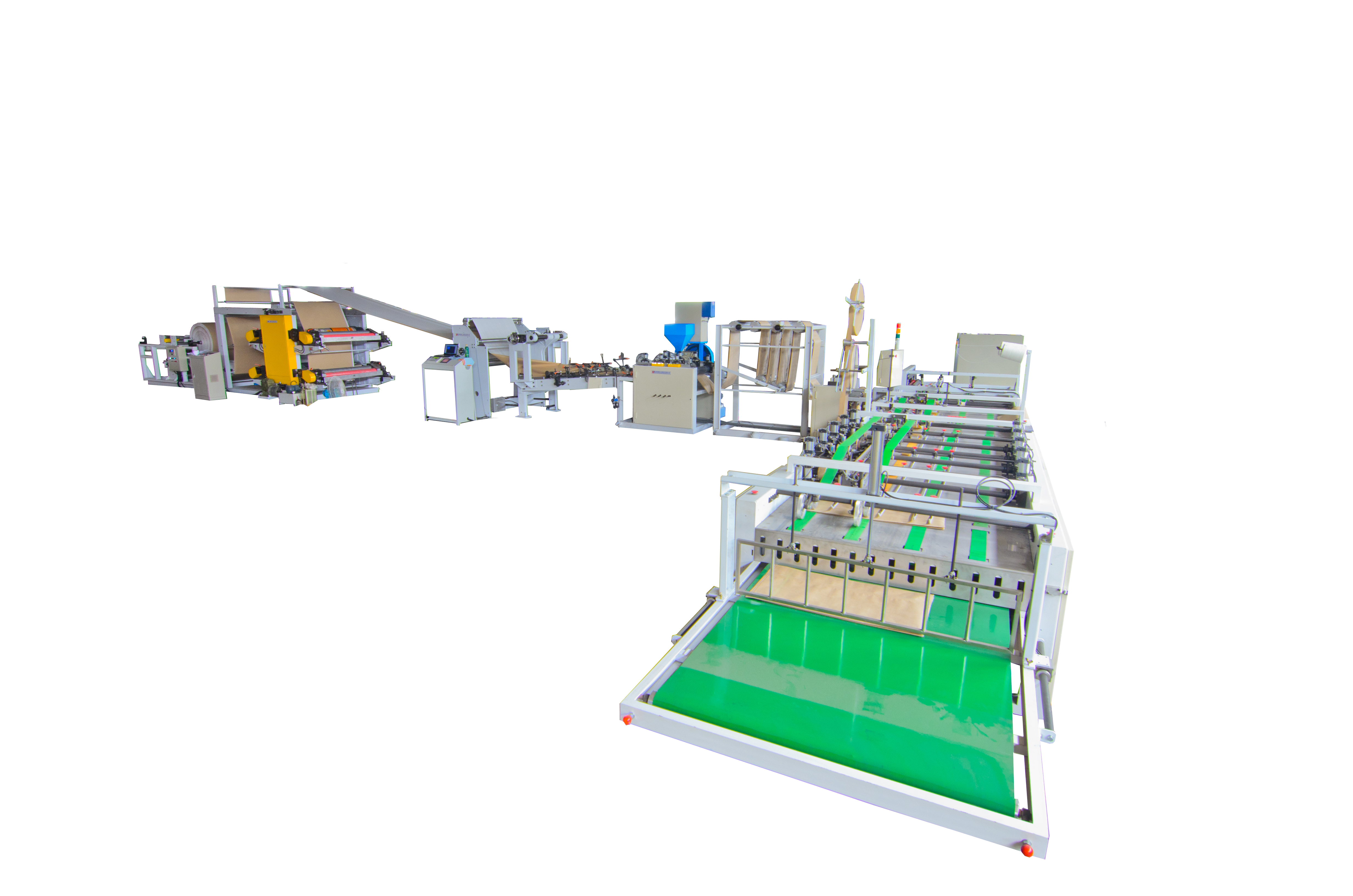
Reylong's JLPTCSM-1300W Automatic Printing-Tubing-Cutting-Sewing-Overtape Convention Line combines flexographic printing, tube forming, cutting & sewing, and overtape application into a single continuous process — there is no intermediate roll of printed fabric sitting between separate machines to be misfed, misregistered, or scrapped. It prints up to 4 colors at a repeat length of 450–1200 mm and up to 1300 mm wide, and runs the full line at 25–40 bags per minute with servo-controlled 1 mm cutting accuracy. Fewer handoffs means less resin lost to rework at the exact moment resin is most expensive, and print quality that supports the premium end of the market rather than the commodity end.
Talk to Reylong's engineering team about an integrated woven sack production line for your market.
Related reading
- FIBC (Jumbo Bag) Production Trends to Watch in 2026
- Print Registration Drift on PP Woven Fabric: A Diagnostic Guide
- Cut-Length Drift on Woven Bag Lines: Why Fixed-Length Cutting Isn't Enough
Frequently asked questions
What's driving PP woven sack production costs in 2026?
Resin price volatility. Polypropylene, the raw material for woven sacks, tracks crude oil and naphtha feedstock costs and moves within weeks of them shifting — as of late July 2026 the China benchmark price was up roughly 11% over the preceding month and about 16.6% year-on-year. A converter has no control over that price. What a converter does control is how much of each kilogram of resin turns into a sellable bag versus scrap, and how many separate production steps (and separate machine setups, and separate yield losses) it takes to get there.
Why are converters investing in better printing instead of just cutting costs?
Because buyers are demonstrably paying for it. High-definition and rotogravure-quality printing on woven sacks is commanding a 10-30% price premium over plain or basic-print bags, and laminated bags — which print and protect better than uncoated woven fabric — already account for roughly 54% of the market. When resin cost is fixed and largely out of a converter's hands, print quality is one of the few levers left that a customer will pay more for, which is why printing capability is becoming a differentiator rather than an afterthought.
Why does an integrated single-pass production line matter more when resin prices are volatile?
Because every handoff between separate machines is a place where material gets scrapped, misregistered, or reworked — and when the resin feeding that scrap costs 11% more than it did a month ago, the cost of an inefficient process goes up in lockstep with it. A line that prints, forms the tube, cuts, sews and overtapes in one continuous pass removes those handoffs: there is no intermediate roll of printed fabric sitting in a queue to be picked up, misfed, or damaged by a second machine. The efficiency argument for an integrated line gets stronger, not weaker, exactly when raw material costs are unstable.