Water-Based Inks: The Sustainable Future of Flexographic Packaging Printing
By the Reylong Engineering Team
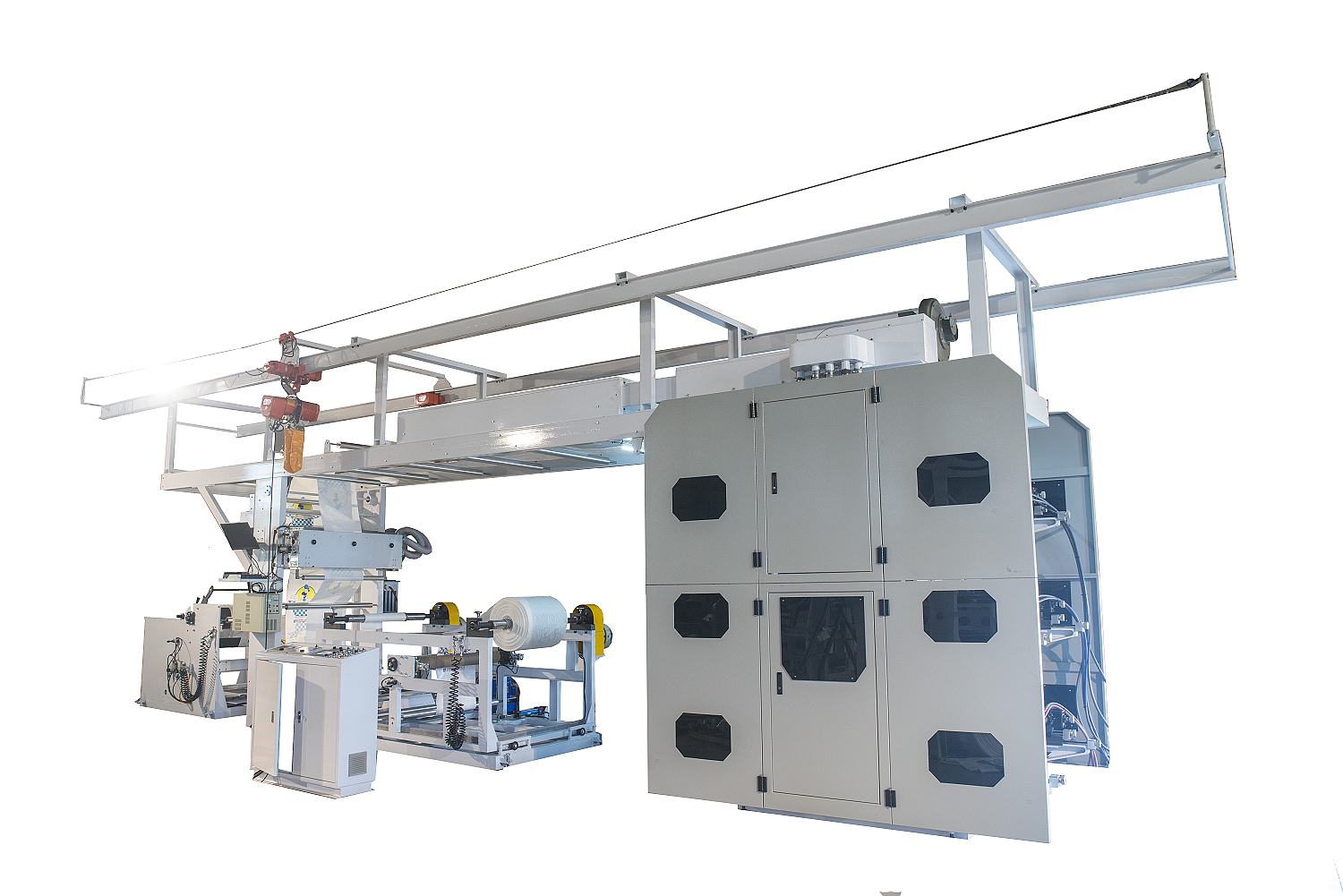
Packaging printing is shifting from solvent-based to water-based inks. The driver is sustainability: tightening environmental regulations, brand commitments to recyclable packaging, and demand for safer, food-contact-friendly print. For anyone printing PP woven fabric or flexible film on a flexographic press, water-based inks are moving quickly from "nice to have" to the industry default.
Why water-based inks are winning
- Near-zero VOCs — water-based flexo inks dramatically cut volatile organic compound emissions versus solvent inks; in some systems VOCs are reduced to almost nothing, which means lower emissions and easier compliance with local environmental rules.
- Safer for operators — fewer hazardous solvents mean a safer pressroom and lower exposure to harmful chemicals.
- Food-contact friendly — quality water-based inks are formulated free of heavy metals and aromatic hydrocarbons, making them suitable for many food-packaging applications.
- Compatible with recyclable packaging — as brands move to recyclable mono-material structures, water-based inks fit the sustainability story end to end.
The catch: water-based inks are less forgiving to run
Sustainability has a process cost. Water-based inks behave differently from solvent inks on press: they dry differently, and their performance depends heavily on ink chemistry, anilox specification and impression pressure. Get these wrong and you see filling-in, dirty print, feathering or weak colour. Running water-based inks well is less about the ink alone and more about how precisely the press is controlled.
How Reylong's flexo press handles water-based inks
Reylong's 6-colour flexographic printing machine is built around the controls that water-based printing demands:
- Ceramic anilox rollers, correctly specified — the anilox is the precision ink-metering device. For non-absorbent substrates such as PP woven fabric, a higher line count and lower volume (roughly 360–1400 LPI at 1.0–5.0 BCM) delivers clean, consistent ink transfer; mismatching anilox to substrate is what causes feathering, dirty print or mottling.
- "Kiss print" pressure control — clean transfer needs the minimum impression pressure, not more. Excessive pressure is the root cause of dot gain and halo; precise pressure control keeps fine detail sharp.
- Built for ink-chemistry management — water-based ink systems rely on staying in the correct alkaline pH range so the resins stay dissolved; when pH drifts, resins precipitate and you get ink kick-out, foaming and filling-in. Stable, controlled printing conditions keep water-based inks running predictably shift after shift.
- Six independent colour stations with ceramic anilox, configurable for the job at hand.
The bottom line
Water-based inks are the sustainable direction for packaging printing — lower emissions, safer operation, food-contact-friendly and aligned with recyclable packaging. They reward presses that give the operator real control over anilox, pressure and ink condition. Choose the press for the inks you will be running tomorrow, not just today.
Talk to Reylong's engineering team about printing PP woven fabric and flexible packaging with water-based inks.