· Updated
Mono-Material Recyclable Pouches: Solving the Heat-Seal Challenge
By the Reylong Engineering Team
The flexible packaging industry is moving decisively toward mono-material structures — pouches built almost entirely from a single polymer family (all-PE or all-PP) so they can be recycled in existing streams. This is no longer optional. The EU's Packaging and Packaging Waste Regulation (PPWR) begins general application in mid-2026 and requires all packaging placed on the EU market to be recyclable by 2030, with design-for-recycling criteria and recyclability grades phasing in over that period. From around 2029, recyclable mono-material pouches will also attract materially lower producer-responsibility fees than multi-layer laminates. For brands exporting to Europe, mono-material is becoming a market-access requirement, not just a sustainability preference.
What "mono-material" means
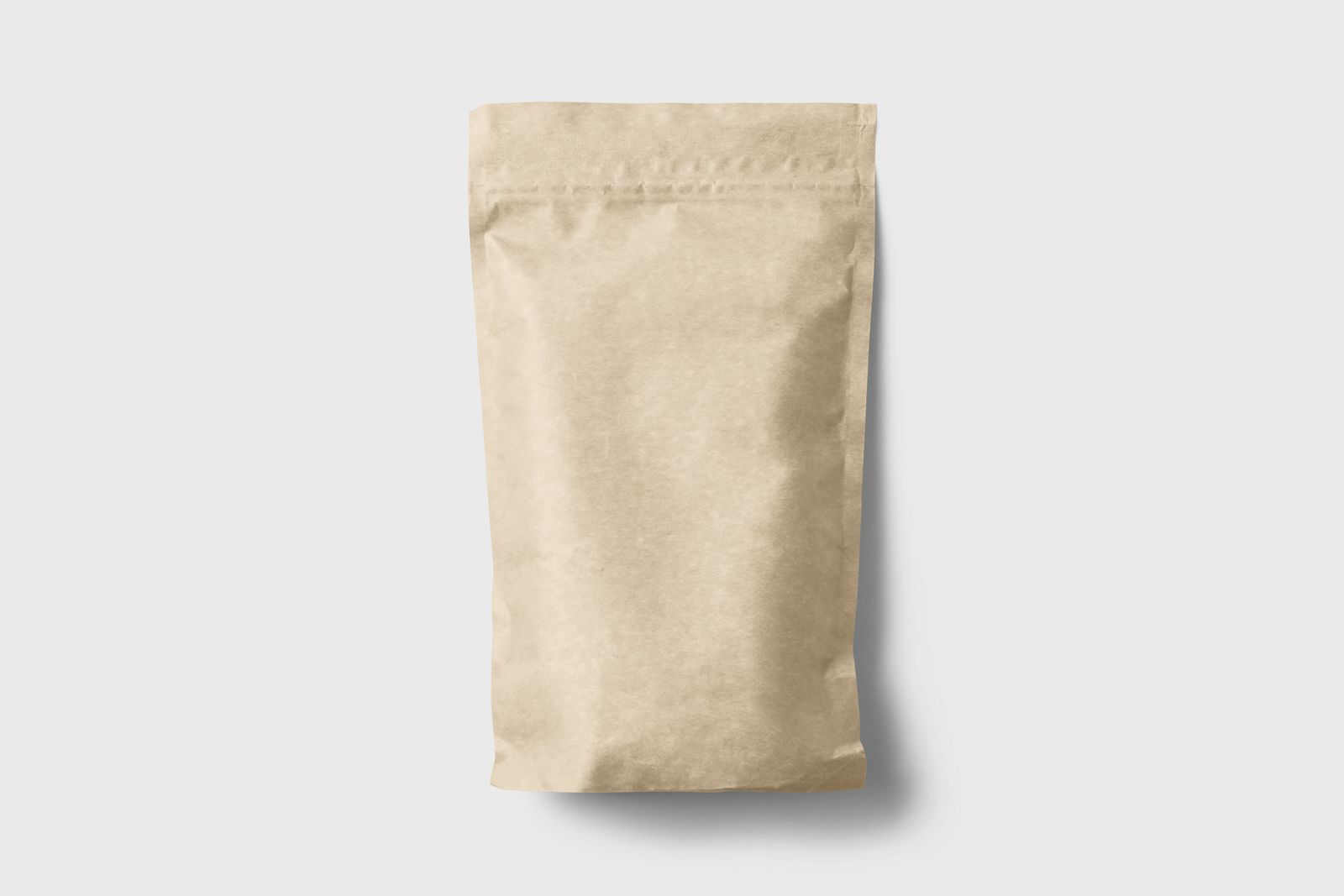
A mono-material package is one where roughly 90% or more of the structure comes from a single polymer family. Conventional high-barrier laminates combine different materials — PET, nylon, aluminum foil, EVOH — each chosen for a specific job. A mono-material design replaces that stack with different grades of the same polymer, so the finished pouch recycles as one material instead of being discarded as a mixed laminate.
The core production challenge: a narrower heat-seal window
In a traditional laminate, the sealing layer and the structural layers are different materials with very different melting points, giving a wide temperature range in which the seal fuses while the outer layers stay intact. In a mono-material film, every layer belongs to the same polymer family, so the temperature that seals the film sits dangerously close to the temperature that melts, distorts, or burns it. The "heat-seal window" becomes much narrower: a few degrees too high shrinks, wrinkles, or burns through the film; a few degrees too low produces a seal that looks fine but leaks. As mono-material adoption accelerates, precise, stable, zoned temperature control becomes the single most important capability a pouch machine can have.
How Reylong addresses it
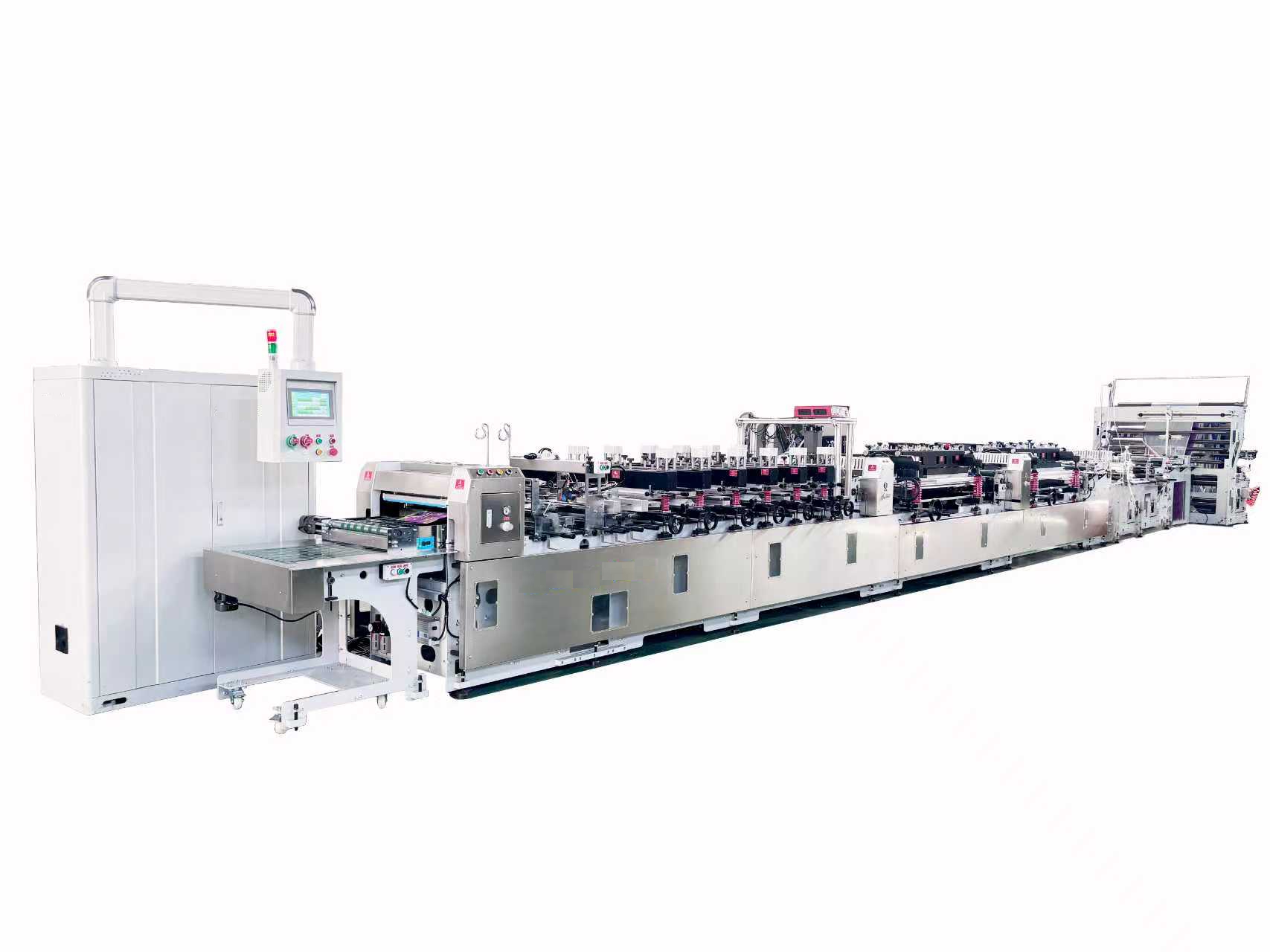
The JL-L-2TZP600 multi-function pouch machine is engineered for exactly this narrow-window reality:
- Zoned independent temperature control — up to 20 individually controlled heating zones, each applying a precise amount of heat to a specific coordinate of the bag (more to thick gusset corners, less to thin film), preventing burn-through while achieving full fusion.
- Closed-loop precision — PID controllers with solid-state relays feed temperature back about every two seconds, holding the film inside its narrow window at speeds up to 220 packages per minute (subject to material specification).
- Progressive multi-stage heating — heat builds gradually across 8–20 heating zones so energy penetrates thick areas without scorching thin layers.
- Constant-temperature water cooling — a circulating water-cooling system, precisely settable across a 15–20 °C range, solidifies the fused seal immediately, so freshly sealed mono-material film withstands servo tension without distorting.
- Ultrasonic zipper sealing — a plastic zipper has far greater thermal mass than 30–180 µm film, so the machine bonds it with ultrasonic energy generated only at the zipper-to-film interface, avoiding the external heat that would destroy a mono-material wall.
The bottom line
Mono-material is the direction of travel for recyclable flexible packaging, and PPWR makes the timeline concrete. Barrier and material science keep improving, but on the converting side the deciding factor is temperature precision. Machines built around zoned control, closed-loop feedback and ultrasonic sealing let converters run today's narrow-window mono-material films — and the even narrower ones coming next — without sacrificing speed or seal integrity.
Talk to Reylong's engineering team about running mono-material films on the JL-L-2TZP600.