Mono-Material PE vs. Laminated Film: Choosing a Structure for Stand-Up Pouches
By the Reylong Engineering Team
"Mono-material" is not one film. The most common commercial answer for a recyclable stand-up pouch is a structure built entirely from PE grades — typically MDOPE (machine-direction-oriented PE) as the outer layer with an LLDPE or specialty metallocene PE sealant inside — and it does not perform identically to the conventional laminates it is replacing. This is a property-by-property comparison for anyone deciding between the two.
What the two structures are
A conventional high-barrier laminate — NY/PE, PET/PE, AL/PE — combines different materials chosen for different jobs: PET or nylon for stiffness and print surface, foil or EVOH for barrier, PE for heat-seal. A mono-material PE structure replaces that stack with different grades of the same polymer. MDOPE gets its stiffness, clarity and moisture-barrier performance from being stretched during manufacture, closing most of the visual and mechanical gap with a laminate that standard unoriented blown PE film cannot close. The inner LLDPE or metallocene PE sealant layer is chosen purely for consistent, reliable heat-seal strength.
Stiffness, clarity and shelf appeal
This is where MDOPE mono-material earns its place: it stands up on shelf, holds a crisp print surface, and looks close to a laminate — not like a soft, hazy commodity PE bag. For brands whose whole reason for choosing a stand-up pouch is shelf presence, MDOPE is what makes an all-PE structure a real option rather than a downgrade.
Barrier performance: the trade-off
PET and foil laminates still win here. A foil layer or a PET/EVOH combination gives an oxygen and moisture barrier that a mono-material PE structure cannot fully match, which matters for products that need long shelf life without an added barrier coating. This is the honest limit of mono-material PE: it is not a strict upgrade, it is a different balance of properties, and the right choice depends on what is being packed and how long it needs to last on shelf.
Processing: tension control and a narrower heat-seal window
Two things change on the production line. First, because MDOPE gets its properties from orientation, it behaves differently under tension than an unoriented laminate — web tension has to be held more precisely to avoid stretching or necking the film as it runs through the machine. Second, because the two PE layers are chemically closer to each other than a PET/PE laminate's mismatched melting points, the heat-seal window narrows: the temperature that seals the film sits closer to the temperature that damages it. We cover that heat-seal physics in depth in our article on solving the mono-material heat-seal challenge — the short version here is that it demands tighter tension and temperature control than laminate film needs.
The environmental case
This is mono-material PE's real advantage. Because both layers are the same polymer family, the finished pouch can go through existing PE recycling streams as a single material. A PET/PE or AL/PE laminate cannot — separating dissimilar polymers at end of life is not commercially viable at scale, so laminate pouches are recyclable in theory but rarely recycled in practice. The EU's Packaging and Packaging Waste Regulation begins general application in mid-2026 and requires all packaging placed on the EU market to be recyclable by 2030, which is turning that practical gap into a market-access question for brands exporting to Europe.
How Reylong fits
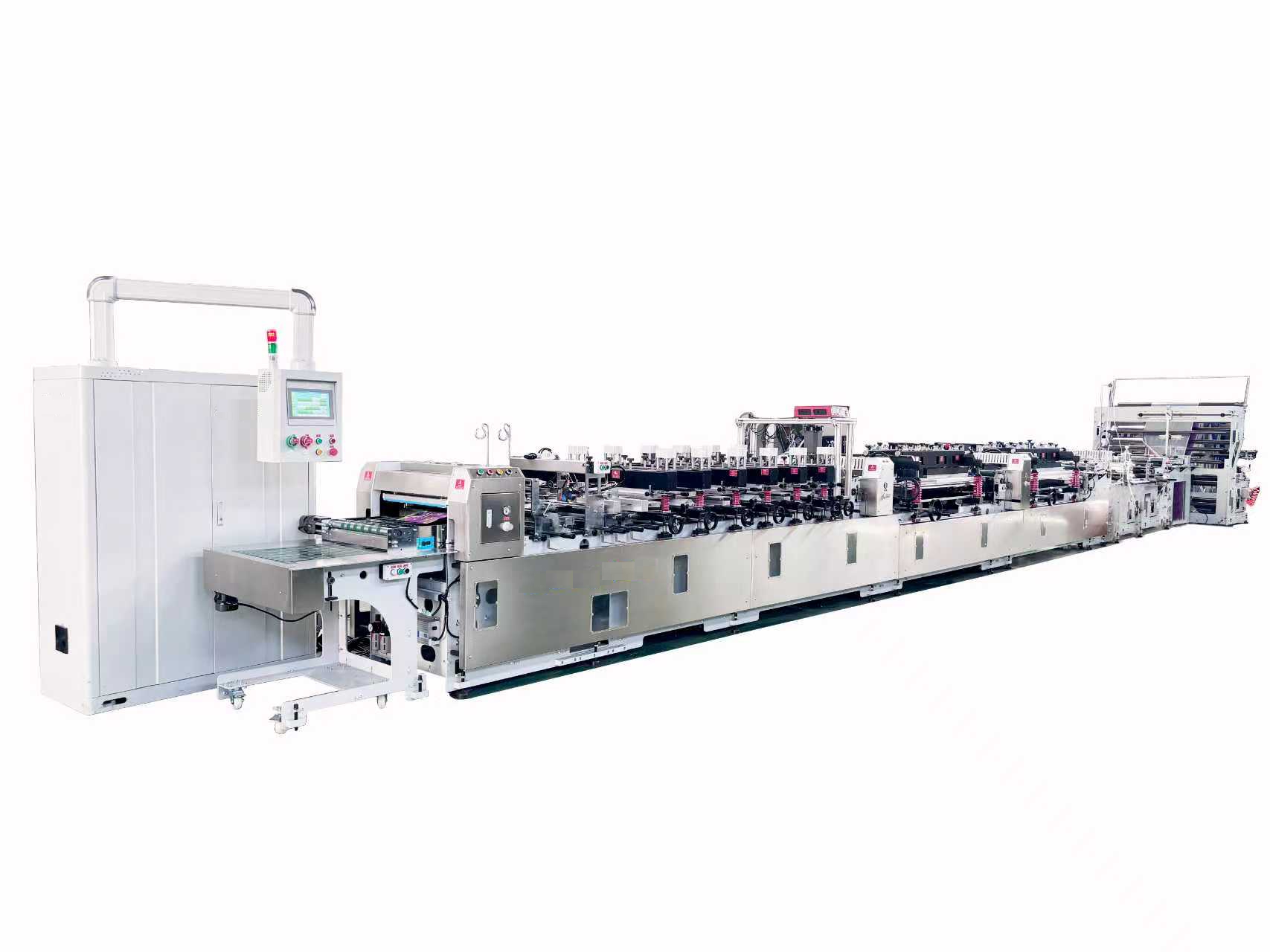
The JL-L-2TZP600 runs both structures without a machine change. Independent Panasonic servo motors hold web tension to a closed-loop setpoint on every axis — the precision MDOPE's orientation demands — and the same 4-heating + 2-cooling zone seal bars built for retort-grade laminate give the temperature and cooling control a narrower mono-material seal window needs. Moving a job from laminate to mono-material PE is a matter of process parameters at the touch screen, not new equipment.
Talk to Reylong's engineering team about running mono-material PE or laminate film on the JL-L-2TZP600.
Related reading
- Mono-Material Recyclable Pouches: Solving the Heat-Seal Challenge
- Stand-Up Pouch and Flexible Packaging Trends to Watch in 2026
- Three-Side Seal vs Stand-Up Zipper Pouch: Choosing the Right Format
Frequently asked questions
What is MDOPE and why is it used for mono-material pouches?
MDOPE is machine-direction-oriented polyethylene — PE film stretched during manufacture, which increases its stiffness, clarity and moisture-barrier performance well beyond what standard unoriented blown PE achieves. Paired with an LLDPE or metallocene PE sealant as the inner layer, it lets converters build an all-PE pouch that looks and stands up closer to a conventional laminate, while staying within a single polymer family so it can be mechanically recycled. Dow and Walki jointly commercialized an MDO-PE mono-material pouch on this basis in 2025, so this is an established technology, not an experimental one.
Does mono-material PE perform as well as a PET/PE or foil laminate?
Not on every property, and buyers should go in with that trade-off clear. Mono-material PE closes most of the stiffness and clarity gap with conventional laminates, but PET and foil laminates still outperform it on oxygen and moisture barrier for products that need long shelf life without an added barrier coating. It is a product-specific decision: mono-material PE wins on recyclability and is adequate for many dry or moderate-shelf-life products; high-barrier applications may still need a laminate or a barrier-coated mono-material variant.
Can the same machine run both mono-material PE and conventional laminate film?
On the JL-L-2TZP600, yes, without a machine change. MDOPE behaves differently under tension than an unoriented laminate, so it needs tighter web-tension control — the machine's independent Panasonic servo motors hold a closed-loop tension setpoint on every axis. And because the two PE layers in a mono-material structure are chemically closer to each other than a PET/PE laminate's mismatched melting points, the heat-seal window narrows — the same 4-heating + 2-cooling zone seal bars that run retort-grade laminate give the temperature and cooling precision that requires. Switching a job between structures is a matter of changing process parameters at the touch screen.