· Updated
Stand-Up Pouch and Flexible Packaging Trends to Watch in 2026
By the Reylong Engineering Team
The e-commerce flexible packaging market is on track to grow from USD 41.52 billion in 2026 to USD 86.52 billion by 2035, an 8.5% CAGR, with Asia-Pacific growing fastest at 10.28%. That single number captures why bag-making equipment buyers are asking different questions than they were a few years ago: not just "how fast does it run," but "how many formats can it make, and is it ready for a 2030 EU recyclability deadline that starts applying in 2026." A few clear trends are shaping stand-up pouch and flexible packaging purchasing in 2026.
1. E-commerce is now the fastest-growing demand driver
Pouches are lighter and cheaper to ship than rigid bottles or tubs, and they hold up better in parcel transit — which is why e-commerce flexible packaging is growing faster than the flexible packaging market overall. That demand skews specifically toward stand-up and zipper formats: a pouch that stands on a shelf photo and reseals for repeat use sells better online than a flat pillow bag.
2. Rigid-to-flexible conversion, including refills
Brands keep moving products out of rigid bottles and tubs and into flexible formats to cut material cost and shelf footprint. Refill pouches for personal care and household products are a visible part of this shift — a rigid bottle is bought once and refilled from a pouch that uses a fraction of the plastic and ships far more efficiently. Every one of these conversions is a new candidate for a stand-up or zipper pouch format that did not exist as a market a few years ago.
3. The EU recyclability clock has started, even though the deadline is 2030
Regulation (EU) 2025/40, the Packaging and Packaging Waste Regulation, begins general application in mid-2026 and requires that all packaging placed on the EU market be recyclable by 2030. Packaging design and supplier qualification cycles run 18–36 months in this industry, so 2030 is not a future problem for anyone selling into the EU — it is a 2026 qualification problem. Buyers are validating recyclable film structures and production capability now.
4. Format flexibility is a purchasing requirement, not a nice-to-have
A dedicated single-format line is a bet that today's bag style stays in demand. When it doesn't — a customer wants a zipper added, or demand shifts from three-side-seal to doypack — a single-format converter either turns down the order or buys another machine. That risk is pushing buyers toward multi-function platforms that can switch between bag styles on the same frame.
How Reylong fits
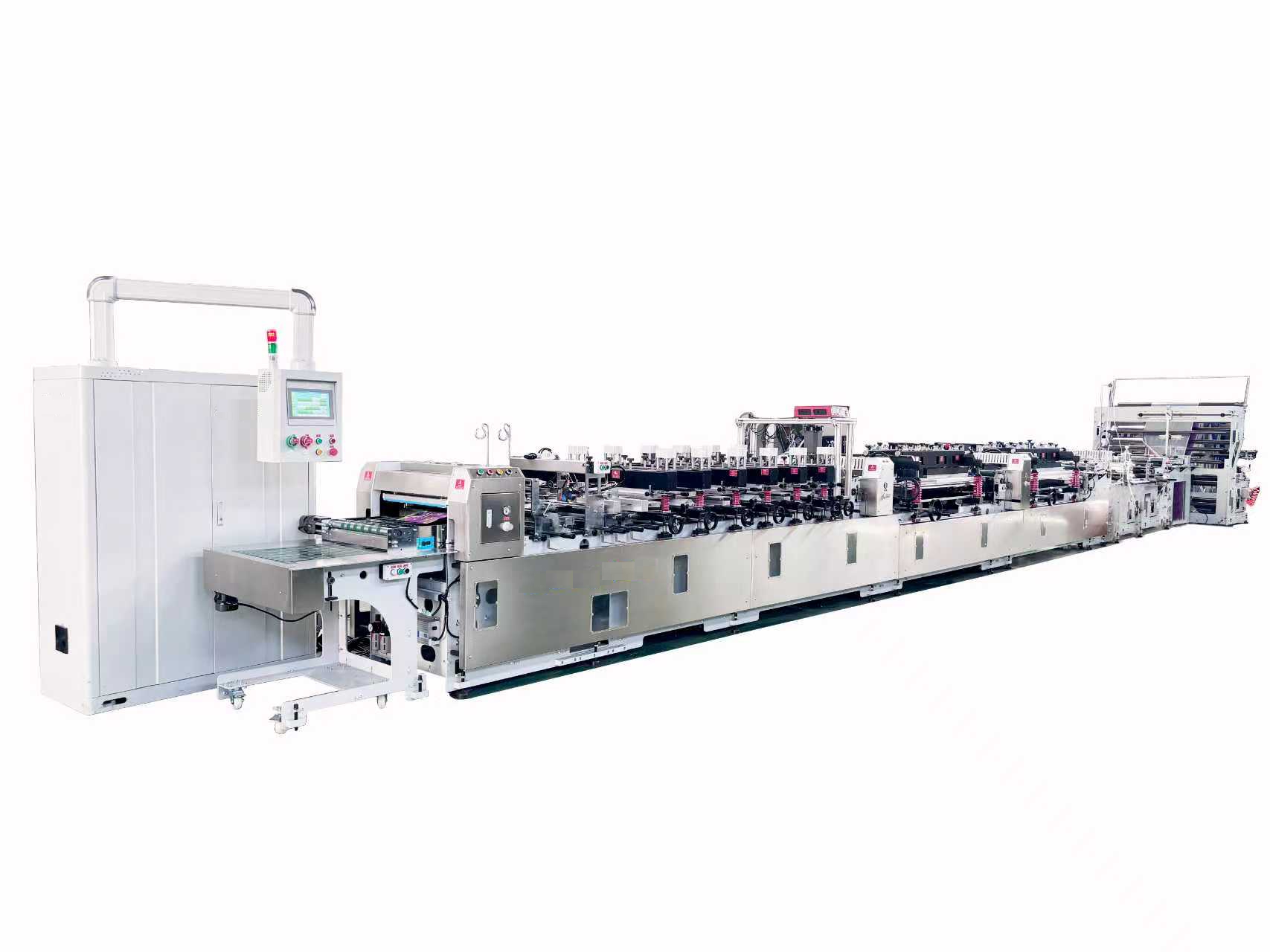
Reylong's JL-L-2TZP600 produces five bag styles on one platform — three-side seal, three-side seal with zipper, four-side seal, doypack, and doypack with zipper — at 35–220 pcs/min depending on style, with full-servo control at ≤0.3 mm positional accuracy and ultrasonic zipper sealing that avoids the heat damage a thermal zipper seal would cause. A converter running this line can follow a customer from a three-side-seal order to a zipper doypack without buying a second machine.
Talk to Reylong's engineering team about a multi-format pouch line for your product mix.
Related reading
- Stand-Up Zipper Pouches for Specialty Coffee Export: A Flexible Packaging Application in Colombia
- Three-Side Seal vs Stand-Up Zipper Pouch: Choosing the Right Format
- Mono-Material Recyclable Pouches: Solving the Heat-Seal Challenge
- Heat Seal Failures in Pouch Production: A Diagnostic Guide
Frequently asked questions
What's driving stand-up pouch and flexible packaging demand in 2026?
Two forces. E-commerce is the fastest-growing channel for flexible packaging — the e-commerce flexible packaging market is on track to grow from USD 41.52 billion in 2026 to USD 86.52 billion by 2035, an 8.5% CAGR, because pouches are lighter and cheaper to ship than rigid containers and hold up better in parcel transit. At the same time, brands keep converting from rigid bottles and tubs to flexible formats, including refill pouches, to cut material cost and shelf footprint. Both trends point buyers toward stand-up and zipper pouch formats specifically, not flexible packaging in general.
What does the EU's packaging recyclability deadline mean for flexible packaging buyers right now, in 2026?
The compliance clock has started even though the hard deadline is years away. Regulation (EU) 2025/40 (the Packaging and Packaging Waste Regulation) begins general application in mid-2026, and it requires that all packaging placed on the EU market be recyclable by 2030. That is not a 2030 problem — packaging design and supplier qualification cycles run 18-36 months in this industry, so brands selling into the EU are already validating recyclable film structures and production capability now, in 2026, so they are not scrambling in 2029.
Why are converters buying multi-format pouch machines instead of dedicated single-format lines?
Capex flexibility. A dedicated line only makes one bag style, so if consumer demand shifts from three-side-seal to doypack, or a customer wants a zipper added, the converter either turns down the order or buys another machine. A multi-function platform that produces several bag styles — three-side seal, three-side seal with zipper, four-side seal, and doypack with or without zipper — on the same frame lets a converter follow demand between formats without new capital equipment. That flexibility matters more as e-commerce and rigid-to-flexible conversion keep shifting which format brands ask for.